
Our Social & Economic Development work strengthens families, schools, and communities by building systems rooted in shared responsibility and opportunity.

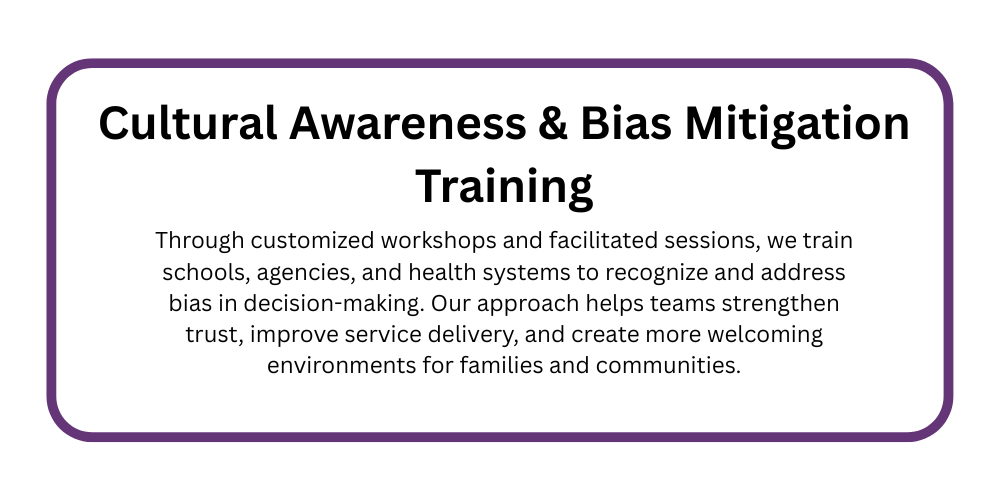
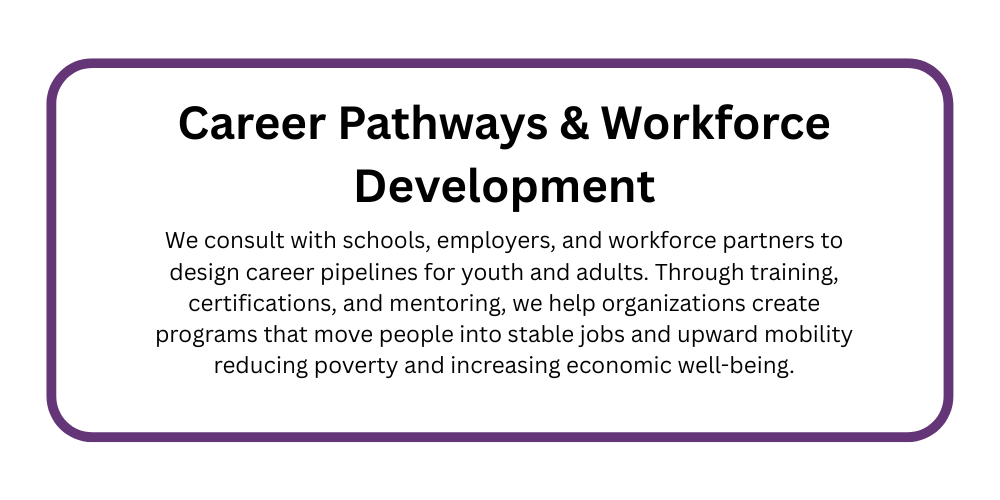
Lasting transformation begins when communities act together. At FACES, we work alongside schools, families, civic leaders, nonprofits, and employers to create pathways where everyone has the chance to thrive. Our programs are built on inclusion, accessibility, and collaboration, ensuring that no voice is left out and no barrier goes unchallenged. From advancing cultural competency in institutions to creating career opportunities for young people and adults, we help communities move beyond survival toward sustainable prosperity.
Why partner with FACES?
1. Systems-Level Expertise
We understand how schools, healthcare, workforce, and public agencies intersect and we bring that knowledge into our training and consultation to help organizations build stronger, more connected systems of support.
2. Proven Results in Resource Mobilization
FACES leadership has guided initiatives that have secured over $90 million in funding, ensuring organizations not only launch new programs but also sustain them long-term.
3. Practical, Action-Oriented Training
Our workshops are not abstract theory — they are interactive, hands-on sessions that give leaders and staff practical tools they can apply immediately to improve outcomes in their communities.
4. Community-First Approach
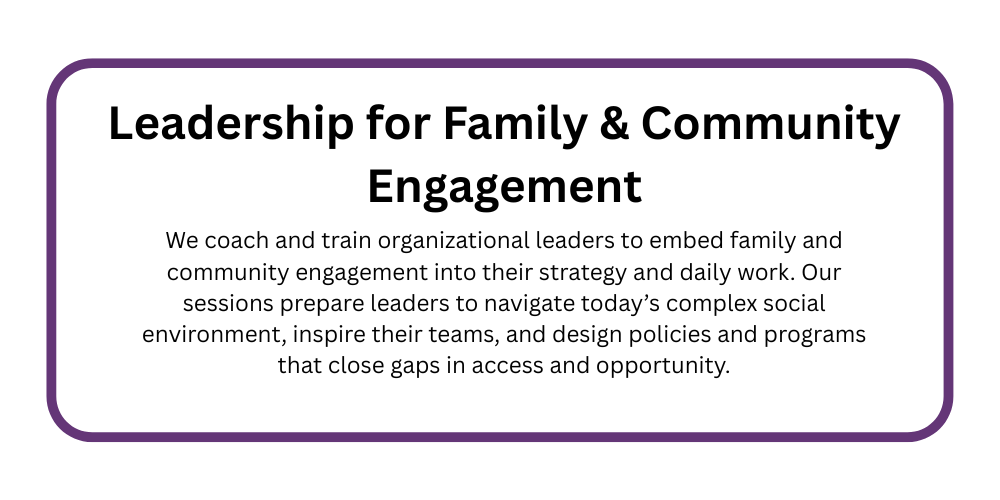
We co-create solutions with families, community partners, and organizational leaders to ensure programs reflect the lived experiences and real needs of the people they serve.
5. Focus on Health & Well-Being
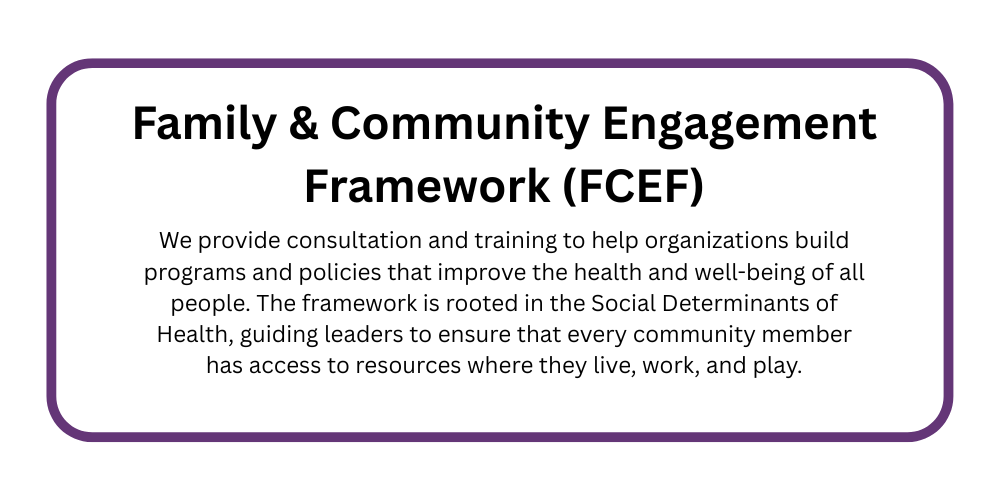
All of our work is rooted in addressing the Social Determinants of Health, ensuring that families and communities have access to the resources, supports, and opportunities they need where they live, work, and play.
Impacts we target
- Families gain easier access to critical supports like housing, health, and education.
- Students and adults complete learning pathways and connect to quality jobs.
- Institutions adopt inclusive, people-centered practices that reduce disparities.
- Cross-sector partnerships deepen trust and improve coordination.
- Communities demonstrate measurable improvements in wellbeing and opportunity.